
When Food Speaks Roman: Food Traditions, Sayings & Unwritten Rules
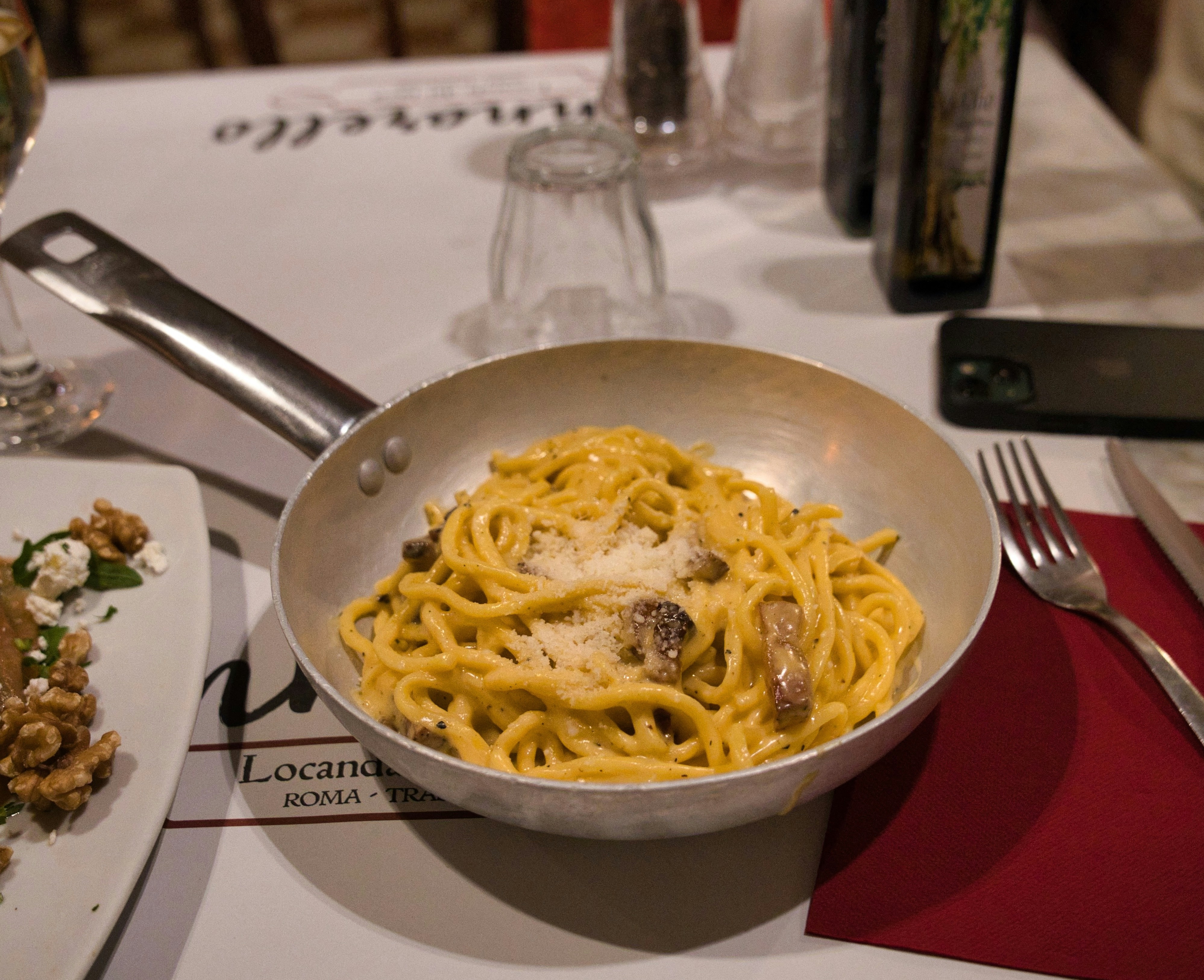
When in Rome, do as the Romans do. But when it comes to food, what exactly does that mean?
Roman food culture is not only about carbonara, supplì and artichokes. It is also made of old traditions, colorful expressions and little unwritten rules that locals follow almost without thinking. Some have their roots in the city’s history and popular cuisine, while others are simply habits that have become part of everyday Roman life.
Knowing them won’t necessarily make you Roman, but it might help you understand the city — and its people — a little better.
So, before your next trip, here are a few food traditions, sayings and unwritten rules worth knowing.
ROMAN FOOD TRADITIONS
“Giovedì gnocchi, venerdì pesce, sabato trippa”
You may have come across this famous Roman saying: “Thursday gnocchi, Friday fish, Saturday tripe.”
It doesn’t mean that modern Romans religiously sit down to a plate of gnocchi every Thursday. Rather, the expression recalls an older way of organizing meals throughout the week, particularly within Rome’s popular food culture.
Thursday was traditionally associated with a substantial dish such as gnocchi before Friday, which Catholic custom considered a giorno di magro, when meat was avoided. Saturday was instead associated with tripe, an inexpensive ingredient deeply rooted in traditional Roman cooking.
The saying has survived much longer than the weekly routine itself and can still occasionally be spotted on trattoria menus or chalkboards around the city.
Think of it less as a dining schedule and more as a little piece of Roman culinary memory.
The “Quinto Quarto”: Making the Most of Everything
Some of Rome’s most distinctive recipes were born far away from elegant dining rooms.
The expression quinto quarto, literally “fifth quarter”, refers to the less prestigious parts of an animal, particularly offal, which remained after the more valuable cuts had been divided and sold.
These ingredients became especially important in Rome’s working-class cuisine and are closely connected with areas such as Testaccio, historically home to the city’s slaughterhouse.
Roman cooks learned to transform what was available into deeply flavored dishes such as coda alla vaccinara, tripe and coratella. What began as a cuisine of necessity eventually became an important part of the city’s gastronomic identity.
It is one of the best examples of a recurring theme in traditional Roman cooking: simple ingredients, very little waste and plenty of ingenuity.
Pizza e Fichi: From Humble Snack to Roman Classic
Before pizza e fichi became an expression, it was — and still is — something you could actually eat.
The combination is wonderfully simple: Roman pizza bianca and fresh figs, traditionally enjoyed when figs are in season.
Both ingredients were once inexpensive and easily accessible, which gave the combination its reputation as a humble, uncomplicated food. Today, however, the contrast between salty, chewy pizza bianca and sweet ripe figs is appreciated for precisely its simplicity.
And its humble origins eventually gave Rome one of its most colorful expressions…
ROMAN SAYINGS: WHEN FOOD BECOMES LANGUAGE
Romans have a talent for turning everyday life into colorful expressions, and food naturally provides plenty of inspiration.
You don’t need to learn an entire dictionary of Roman sayings before visiting the city, but these two are particularly worth remembering.
“Mica pizza e fichi!”
This is one of the most entertaining examples because, despite mentioning food, it isn’t really about food at all.
When someone says “mica pizza e fichi!”, they mean that whatever they are talking about should not be underestimated.
Got an incredible new job? Mica pizza e fichi.
Staying in a spectacular palazzo in the center of Rome? Mica pizza e fichi.
The expression plays precisely on the historically humble nature of pizza and figs. If something is not pizza e fichi, then it is not something ordinary or insignificant.
It is informal, expressive and wonderfully Roman.
“Come il cacio sui maccheroni”
Sometimes something arrives at exactly the right moment or two things simply work perfectly together.
That’s when an Italian might say it fits “come il cacio sui maccheroni” — like cheese on pasta.
The image doesn’t require much explanation. Pasta and cheese naturally belong together, so the expression describes something particularly appropriate, timely or perfectly matched to a situation.
And if you’re in Rome, the word cacio will already sound familiar. It is an old word for cheese that remains very much alive in Central Italian culinary vocabulary — most famously in cacio e pepe.
Consider it the Roman-food equivalent of saying: that’s exactly what we needed.
THE UNWRITTEN RULES OF EATING IN ROME
Then there are the rules nobody gives you when you arrive.
They’re not laws, and Romans certainly won’t stop you from breaking them. But spend enough time in the city and you’ll notice that certain food habits are so deeply ingrained that locals barely think about them.
Cappuccino Is a Morning Thing
Can you order a cappuccino at 3 pm in Rome?
Of course.
Will most Romans do the same after lunch? Probably not.
Cappuccino in Italy is strongly associated with breakfast, often enjoyed at the bar with a cornetto or another pastry. After lunch or dinner, coffee usually means an espresso — or simply un caffè, as you would order it in Italian.
You will sometimes hear that Italians “never drink cappuccino after 11 am”, but the exact hour shouldn’t be taken too seriously. There is no official cut-off time and certainly no cappuccino police patrolling Rome.
It’s simply a cultural habit: a large coffee with milk feels like breakfast, while a short espresso feels like the natural conclusion to a meal.
So order whatever you like — just know that your afternoon cappuccino might quietly reveal that you’re visiting.
Coffee Means Espresso
Speaking of coffee, there is another small detail worth knowing.
Walk into a Roman bar and ask for “un caffè”, and you won’t be handed a large mug of filter coffee. You’ll get an espresso.
Usually, you’ll drink it quickly, often standing at the counter, perhaps exchanging a few words before continuing with your day.
Coffee in Rome is less about settling in for an hour with a laptop and more about a small daily ritual repeated throughout the day.
Want something longer? You’ll need to specify it. Want milk? Same story.
But un caffè on its own is short, strong and unmistakably Italian.
Don’t Expect Dinner at 6 pm
Another useful thing to know before planning your evening: Romans tend to dine later than many international visitors.
Restaurants may be open earlier in tourist areas, but local dinner habits generally begin later, particularly during the warmer months when evenings stretch out and people spend more time outdoors.
Before dinner comes another very Italian ritual: the aperitivo. A drink and something small to eat in the early evening provide a bridge between the end of the day and dinner rather than replacing the meal itself.
It is less about following a strict timetable and more about understanding the rhythm of the city.
Take Your Time at the Table
Perhaps the most important unwritten rule has nothing to do with what you order.
In Rome, as throughout Italy, a meal is also a social moment. Lunch or dinner with friends and family isn’t necessarily something to rush through before moving on to the next activity.
Courses arrive, conversation continues, someone orders another bottle of water or wine, coffee follows and the table remains occupied a little longer.
For travelers with packed itineraries, slowing down can sometimes feel unusual. But allowing time for the table is itself part of experiencing Italian food culture.
After all, eating like a Roman isn’t just about choosing the right pasta.
Food Is Another Way to Understand Rome
Taken together, these traditions, sayings and unwritten rules reveal something that a list of “must-try Roman dishes” never could.
The quinto quarto tells us about the resourcefulness of working-class Rome. Giovedì gnocchi preserves the memory of older religious and family routines. Expressions such as mica pizza e fichi show how deeply food has entered everyday language, while habits around coffee, aperitivo and the dinner table tell us something about the rhythm of life in the city today.
And this is precisely why exploring Rome through food can be so much more interesting than simply tasting a series of famous dishes.
With YouLocal Rome, you can discover this side of the city through private food experiences, walking through local neighborhoods, tasting Roman specialties and hearing the stories behind them. Or you can step into the kitchen yourself with a hands-on cooking experience and discover some of the techniques behind Italian cuisine.
Because to eat like a Roman isn’t simply to know what to order.
It’s to understand a little of the culture that comes with it.
DISCOVER OUR FOOD TOURS
Book Now
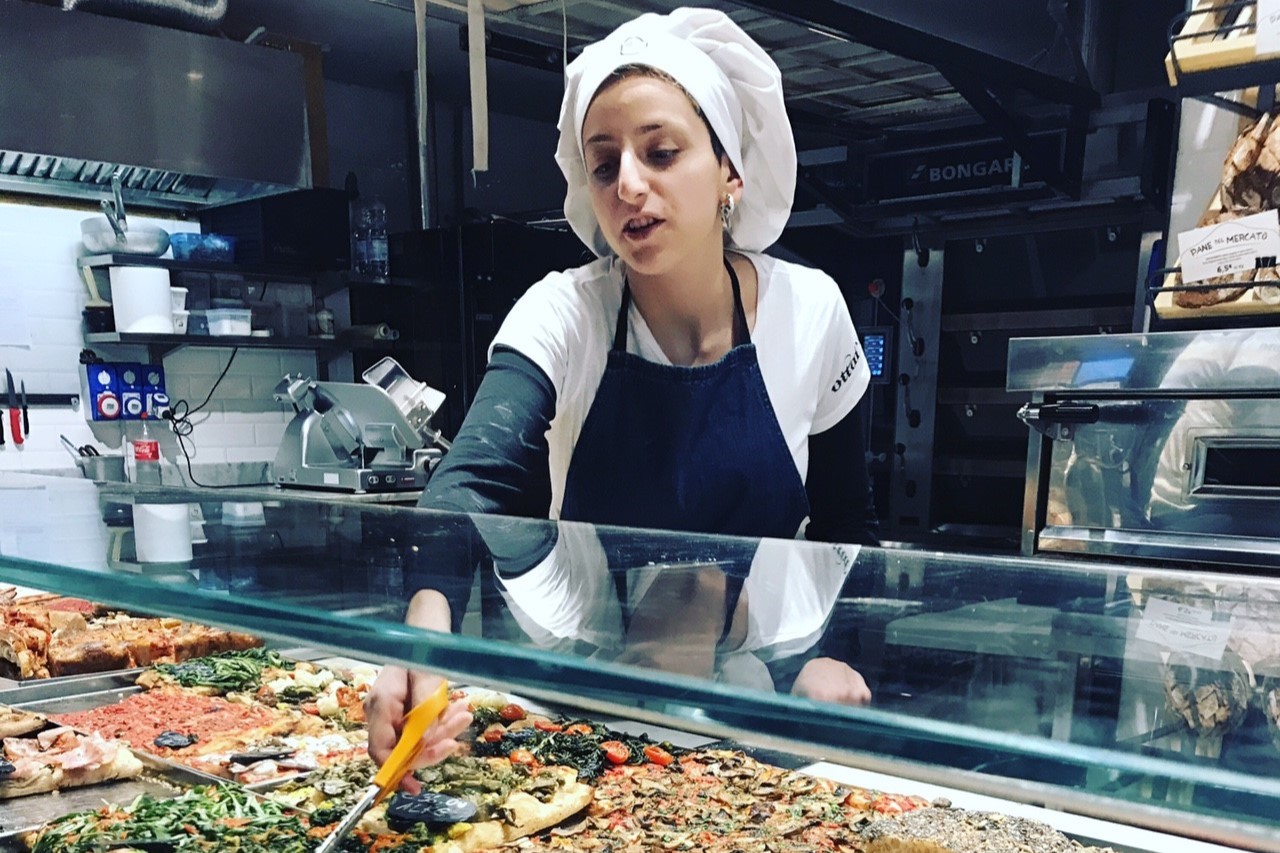
Embark on a Fully Private Tour through the rich Culinary Traditions of Rome | Explore the vibrant Campo de' Fiori Market and the historic Jewish Quarter | 8 delicious Food & Wine Tastings included!
Book Now
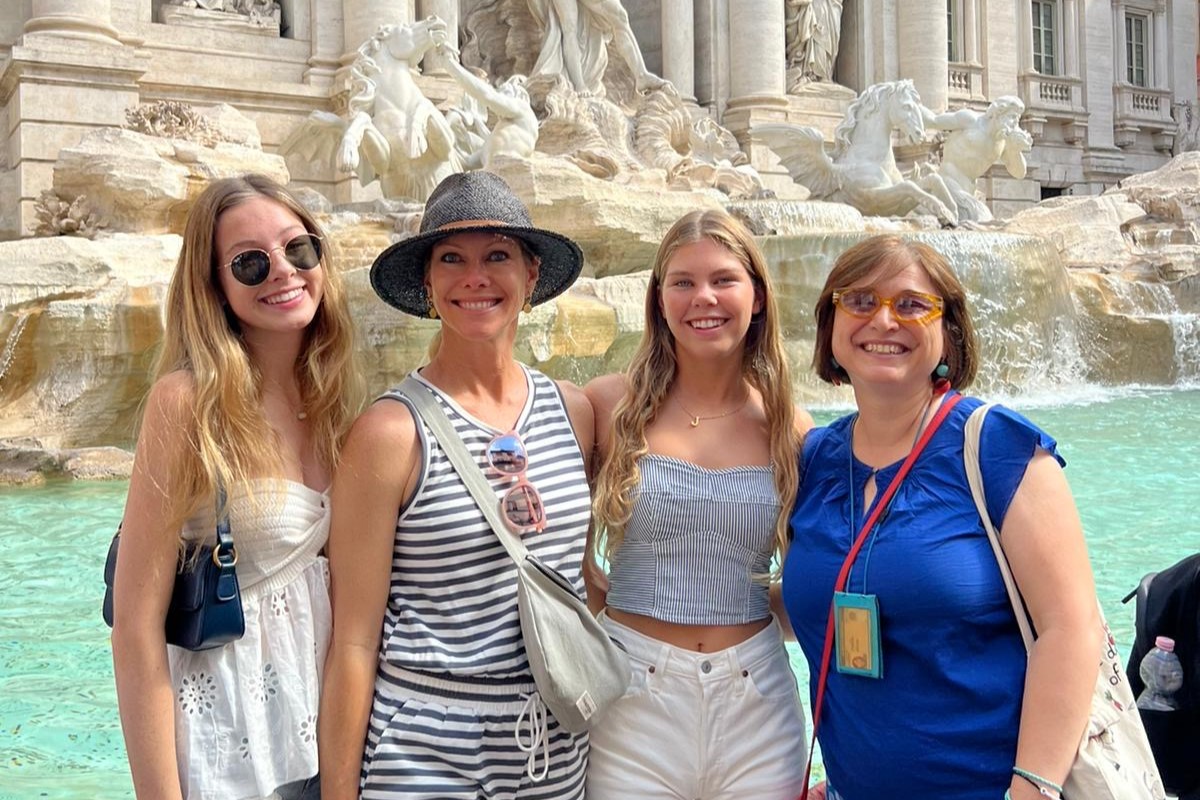
Wander through must-see highlights of Rome with a local twist | Visit Piazza Navona, Trevi Fountain, Spanish Steps and much more, at your own pace | Entry Tickets to the Pantheon and Coffee Tasting included
Book Now
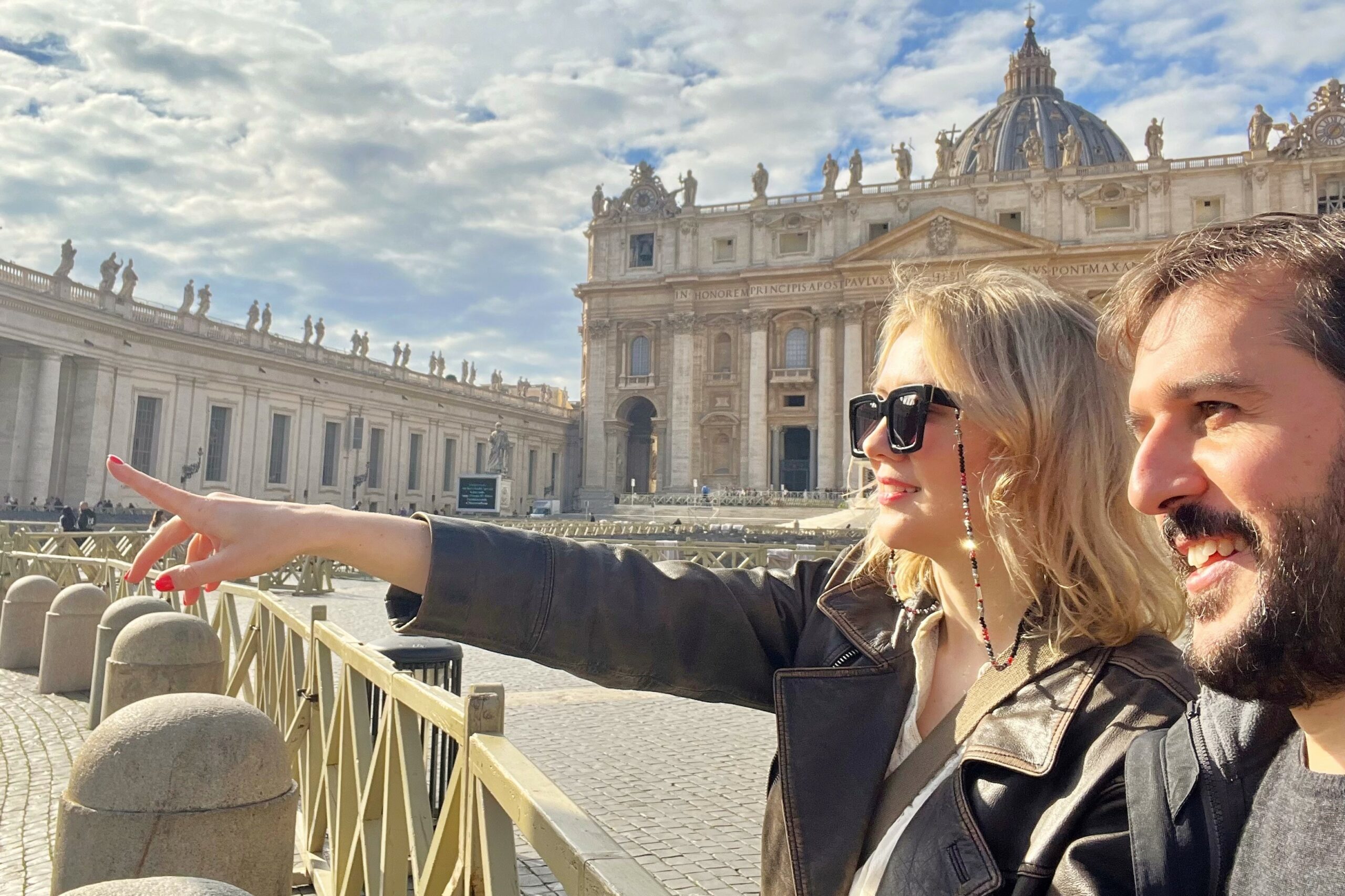
Discover the wonders of the Vatican on a fully personalized Private Tour | Visit the Vatican Museums, Sistine Chapel and St. Peter's Basilica at your own pace | Skip-the-line Entry Tickets included

Book Now
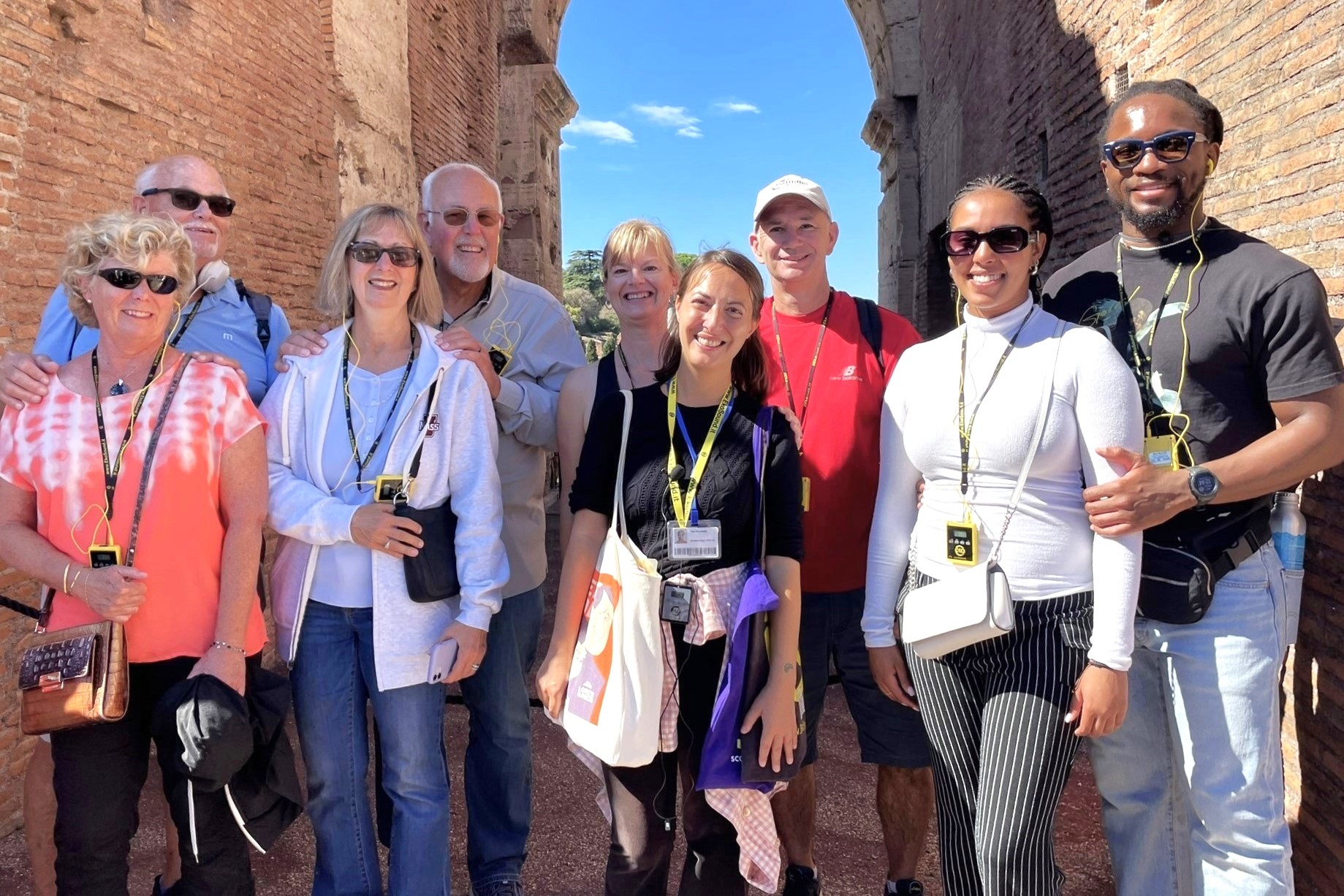
Discover the wonders of Ancient Rome with a Top-rated Guide | Visit the Colosseum, Roman Forum and Palatine Hill with an intimate group of up to 6-8 people | Entry Tickets included!
Book With Extra Flexibility
Choose new departure dates if your plans change.
Reach out to us anytime via online chat, phone or email.
Get credit for future trips if you need more time to decide.
Change to a different tour run by the same tour operator.